
Diabetes Prevention Through Smart Nutrition for Men
Evidence-based nutritional strategies designed specifically for male health and long-term wellness. Discover how targeted nutrition can help reduce your diabetes risk and support a healthier lifestyle.
The information on this site is for educational purposes only and does not constitute medical advice. Always consult a qualified healthcare professional before making health decisions.
Key Nutrition Pillars for Prevention
Whole Grains & Fiber Intake
Incorporating whole grains, legumes, and high-fiber vegetables into daily meals helps regulate blood sugar levels naturally. Men who maintain adequate fiber intake experience more stable energy throughout the day and improved digestive health. Studies show that consistent whole grain consumption can significantly lower the risk of developing metabolic concerns in middle-aged and older men.
Lean Proteins & Healthy Fats
Choosing lean sources of protein such as poultry, fish, and plant-based options supports muscle maintenance and metabolic function. Omega-3 rich foods like fatty fish and nuts provide anti-inflammatory benefits. A balanced protein intake helps men feel fuller longer, reducing overall calorie consumption and supporting weight management goals without drastic dietary changes.
Hydration & Portion Control
Proper hydration supports kidney function and helps regulate appetite naturally. Men often underestimate the importance of consistent water intake throughout the day. Combined with mindful portion sizes and regular eating schedules, hydration becomes a cornerstone of sustainable nutrition practices that support long-term health without requiring extreme dietary restrictions.
Micronutrient Balance
Essential vitamins and minerals like chromium, magnesium, and B vitamins play critical roles in glucose metabolism. Rainbow-colored vegetables and whole foods ensure diverse micronutrient intake. Men focusing on nutrient density rather than calorie counting often find their overall health improves, energy levels stabilize, and they experience fewer nutritional deficiencies.
Smart Meal Timing
Eating meals at consistent times throughout the day helps regulate hunger hormones and maintains steady energy. Men benefit from spacing meals 4-5 hours apart while including protein and fiber at each meal. This approach reduces late-night snacking, improves meal satisfaction, and supports the body's natural metabolic rhythm for better overall wellness.
Tracking Progress & Adjustment
Regular monitoring of how different foods make you feel helps identify personal patterns and preferences. Men who keep simple food journals discover which meals provide sustained energy versus which lead to afternoon slumps. This personalized feedback loop empowers informed choices and allows nutritional strategies to evolve based on real-world experience rather than generic advice.
Why Men Need Targeted Nutrition Strategies
Men face unique nutritional challenges when it comes to long-term health. Metabolic changes accelerate during middle age, and the combination of busy work schedules and traditional eating habits often leads to nutrient gaps. Understanding how male physiology responds to different foods and eating patterns is crucial for building sustainable nutrition practices.
Research shows that men are more likely to develop metabolic concerns when they rely on processed foods, skip meals, or consume excessive sugary beverages. Unlike generic nutrition advice that applies to everyone, strategies designed for men account for higher caloric needs, muscle maintenance priorities, and common lifestyle patterns that influence food choices.
The good news is that targeted nutrition doesn't require complicated meal plans or expensive supplements. Simple adjustments to ingredient selection, meal structure, and eating timing can yield significant improvements in energy, body composition, and overall wellness. Men who implement these evidence-based principles report feeling better within weeks and maintaining the changes long-term because they work with their lifestyle rather than against it.
View Nutrition Tips
Your Nutrition Journey: A Practical Approach
Assess Your Current Eating Patterns
Begin by observing what you currently eat without judgment. Notice meal timing, portion sizes, beverage choices, and how different foods make you feel throughout the day. This awareness phase typically lasts 1-2 weeks and requires no dietary changes. Simply tracking meals in a simple format helps identify patterns—perhaps you skip breakfast, consume too many sugary drinks, or eat late at night. Understanding your baseline is essential before making any adjustments.
Start with One Key Change
Rather than overhauling your diet overnight, choose one meaningful change based on your assessment. This might be replacing sugary drinks with water, adding vegetables to dinner, or eating breakfast consistently. One change is easier to sustain than multiple simultaneous adjustments. Stick with this single change for 2-3 weeks until it becomes automatic. Success with one change builds confidence and creates momentum for additional improvements.
Build Gradual Improvements
Once your first change feels natural, add a second improvement. This might involve increasing protein at meals, incorporating whole grains instead of refined options, or establishing consistent meal times. The gradual approach allows your body and taste preferences to adjust naturally. Over several weeks and months, these small improvements compound into a significantly healthier eating pattern. Most men find that gradual changes stick better than restrictive diets that feel unsustainable.
Monitor and Optimize
Pay attention to how you feel—energy levels, digestion, mood, and overall wellbeing. These subjective improvements often matter more than any number on a scale. If certain meals or foods make you feel sluggish, experiment with alternatives. If you feel energized and stable, you've found what works for your body. This ongoing observation allows you to fine-tune your nutrition over time, discovering a personalized approach that supports your unique needs and lifestyle.
Smart Nutrition vs. Common Mistakes
Evidence-Based Approach
- Sustainable changes: Small, gradual adjustments that become lifelong habits rather than temporary fixes.
- Whole food focus: Emphasizes natural, minimally processed ingredients that nourish your body.
- Balanced nutrition: Includes all food groups in appropriate proportions for complete nutritional support.
- Long-term benefits: Supports stable energy, improved digestion, better mood, and overall wellness.
- Realistic approach: Works with your lifestyle and preferences rather than requiring perfection.
- Ongoing adjustment: Allows flexibility to adapt as your needs and circumstances change.
Common Pitfalls
- Extreme dieting: Restrictive approaches create constant willpower battles and usually fail within weeks.
- Processed foods: Convenience products lack nutrients and often contain hidden sugars and unhealthy additives.
- Skipped meals: Missing breakfast or lunch leads to poor food choices later and energy crashes.
- All-or-nothing thinking: Perfect adherence is unrealistic and leads to abandoning healthy efforts entirely.
- Ignoring individual needs: Generic advice doesn't account for personal preferences, schedules, or cultural food traditions.
- Trend chasing: Following fad diets wastes time and money while providing minimal lasting results.
Healthy Meal Examples for Men

Protein-Rich Breakfast
Start your day with sustained energy. Three eggs with whole grain toast, sliced avocado, and fresh berries provides complete protein, healthy fats, and antioxidants. This breakfast stabilizes blood sugar throughout the morning and reduces mid-morning cravings.
Key nutrients: Protein, fiber, B vitamins, potassium

Balanced Lunch Plate
Grilled chicken breast with brown rice and roasted broccoli, carrots, and Brussels sprouts creates a complete, satisfying meal. The lean protein supports muscle maintenance while whole grains and vegetables provide fiber and essential micronutrients for sustained energy through the afternoon.
Key nutrients: Lean protein, whole grains, vitamins, minerals
Evening Dinner Option
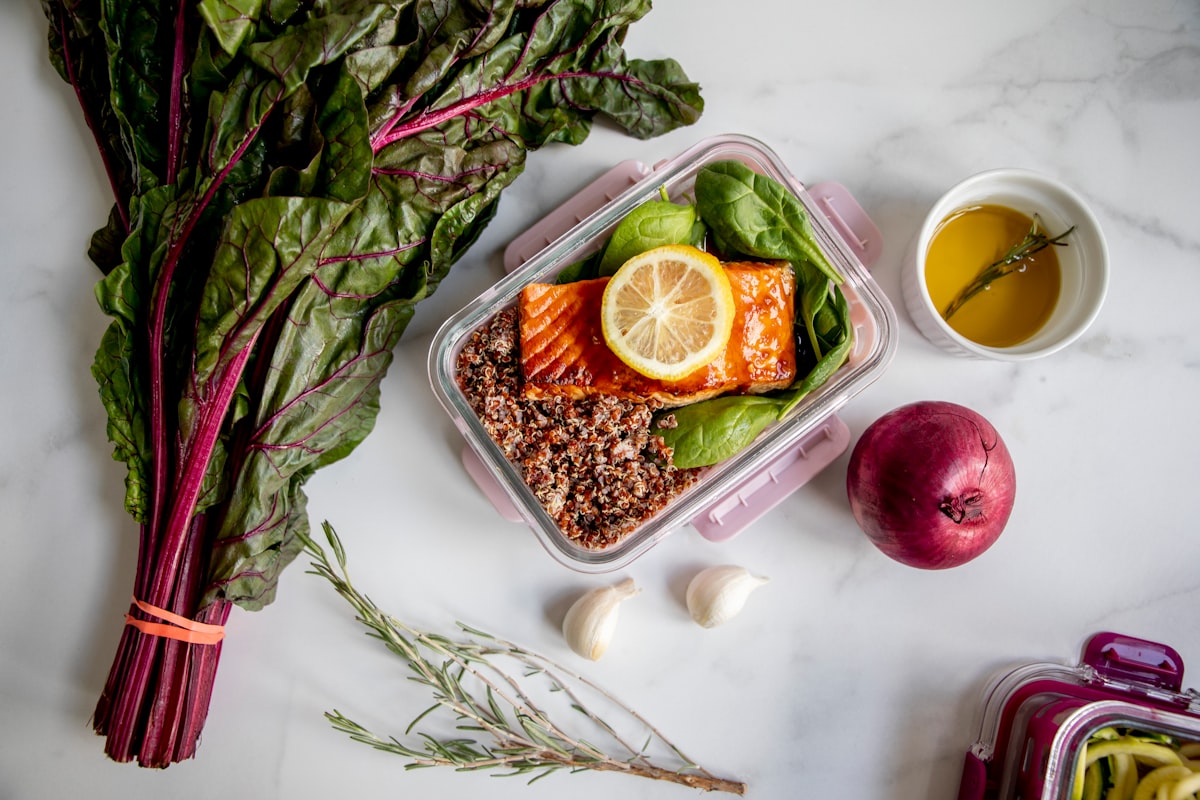
Baked salmon with roasted sweet potato and fresh spinach salad combines omega-3 fatty acids with complex carbohydrates and dark leafy greens. This dinner supports cardiovascular health, provides anti-inflammatory nutrients, and won't disrupt sleep when eaten 2-3 hours before bedtime.
Key nutrients: Omega-3s, complex carbs, iron, antioxidants

Protein Snack Option
Greek yogurt with almonds and blueberries offers convenient protein and healthy fats to bridge the gap between meals. This combination satisfies hunger without causing blood sugar spikes and provides probiotics for digestive health, making it perfect for afternoon energy dips.
Key nutrients: Protein, healthy fats, probiotics, antioxidants

Veggie-Based Snack
Whole grain crackers with hummus and carrot sticks, celery, and bell pepper provides fiber, plant-based protein, and satisfying crunch. This snack stabilizes energy levels without heavy ingredients and works well for men managing their weight while maintaining muscle.
Key nutrients: Fiber, plant protein, vitamins, minerals

Quick Nutrition Drink
Blend Greek yogurt, banana, spinach, and berries with water or milk for a nutrient-dense drink that takes minutes to prepare. Perfect for busy mornings or post-workout recovery, this smoothie delivers protein, carbohydrates, and micronutrients in one portable glass.
Key nutrients: Protein, carbs, fiber, antioxidants
Common Questions About Male Nutrition and Diabetes Prevention
How quickly will I see health improvements from better nutrition?
Most men notice initial improvements within 2-3 weeks. These typically include better energy levels, improved sleep quality, and more stable mood throughout the day. Digestive improvements often appear within the first week as you increase fiber intake. More significant changes in body composition and metabolic markers typically emerge over 8-12 weeks of consistent nutrition habits.
Do I need to completely give up foods I enjoy?
No. Sustainable nutrition involves making healthier choices most of the time while allowing flexibility for foods you enjoy. The 80/20 approach—eating nutritious whole foods 80% of the time and enjoying other foods occasionally—works well for most men. This realistic approach prevents the deprivation feeling that leads to abandoning healthy habits entirely.
How much protein do men actually need daily?
Most men benefit from consuming 0.8-1.0 grams of protein per pound of body weight, which translates to roughly 55-100+ grams daily depending on size and activity level. For men focused on preventing metabolic concerns, adequate protein supports stable blood sugar, maintains muscle mass, and promotes satiety. Spreading protein throughout meals rather than concentrating it in one meal improves muscle protein synthesis.
What's the best approach for eating when working long hours?
Planning ahead is crucial for busy professionals. Prepare simple meals and snacks in advance—grilled chicken portions, pre-cut vegetables, nuts, and whole grain options ready to grab. Keep emergency snacks at your desk or in your bag. Eating consistently spaced meals prevents the blood sugar crashes that lead to poor food choices. Even simple combinations like an apple with almonds or cheese with whole grain crackers work well.
How important is hydration in preventing metabolic concerns?
Hydration is fundamental. Drinking adequate water supports kidney function, helps regulate appetite, and improves energy during workouts. Many men mistake thirst for hunger and overeat when they're actually dehydrated. A simple target is consuming half your body weight in ounces of water daily, adjusted for activity level and climate. Water, herbal teas, and unsweetened beverages all count toward hydration.
Should I track calories if I'm changing my nutrition habits?
Calorie awareness can be helpful initially to understand typical portion sizes and energy content of foods. However, focusing excessively on numbers often creates stress and obsessive thinking. A better approach for many men is learning to recognize appropriate portions visually and trusting hunger cues when eating whole foods. If you do track, use it as a learning tool for 2-3 weeks, then transition to intuitive eating.
Ready to Learn More About Nutrition?
Explore our comprehensive articles on male nutrition, healthy eating strategies, and evidence-based approaches to supporting your long-term wellness.
Explore Our BlogFrequently Asked Questions
What Our Clients Say
"ExpertDietPro transformed my approach to nutrition. The evidence-based articles helped me understand what I really need to stay healthy and fit."
James M.
Fitness Enthusiast
"Finally, nutrition information written specifically for men's needs. No fluff, just solid scientific guidance that actually works."
David R.
Business Professional
"I improved my heart health and energy levels by following the nutritional guidance from ExpertDietPro. Highly recommend!"
Michael T.
Age 45, Health-Conscious
Start Your Nutrition Journey Today
Join thousands of men making informed choices about their health. Discover expert nutrition insights tailored for your needs.